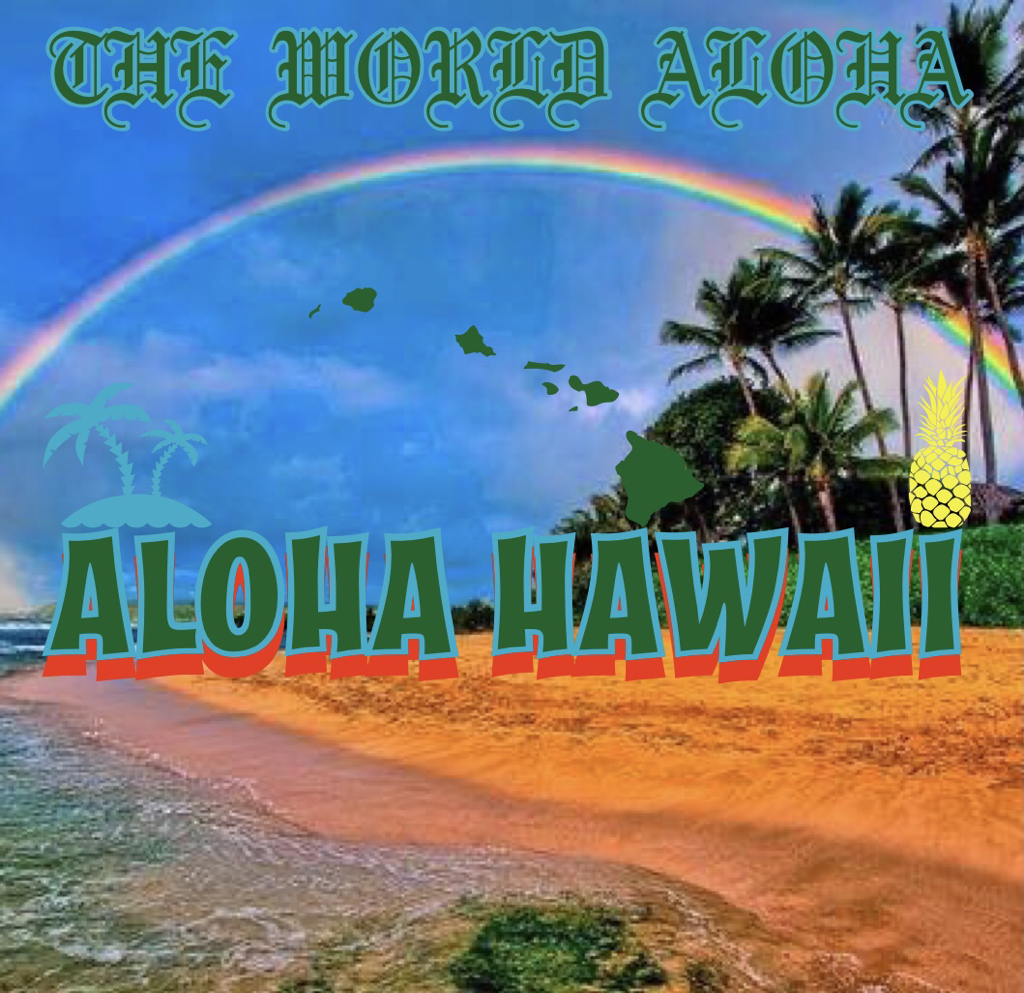
 The Start of AlohaAloha means The Breath of Life or The Presence of Breathe. The World Aloha owes Aloha to Hawaii where the language of origin, Hawaiian, is the Creator of the word Aloha. Introduction Hawaii is an isolated archipelago of volcanic islands in the central Pacific Ocean, located about 2,400 miles from the North American mainland. The state consists of eight main islands—Niihau, Kauai, Oahu, Molokai, Lanai, Kahoolawe, Maui, and Hawaii (the Big Island)—along with numerous smaller islets stretching across roughly 1,500 miles. Formed by ongoing volcanic activity, the islands feature dramatic landscapes of active volcanoes, lush rainforests, black- and white-sand beaches, and coral reefs. This geographic isolation has produced high levels of unique plant and animal life found nowhere else on Earth, while the islands’ culture reflects deep Polynesian roots blended with later influences. The Start of Hawaii The Hawaiian Islands were first settled by Polynesian voyagers who navigated thousands of miles of open ocean using stars, currents, winds, and other natural signs. Archaeological evidence places the initial arrival of settlers from the Marquesas Islands between roughly 300 and 1200 CE, with later migrations from Tahiti bringing additional cultural elements. These early Hawaiians developed a complex society organized around chiefs (aliʻi), a system of land division (ahupuaʻa) that extended from mountain to sea, and a set of rules known as kapu that governed daily life, religion, and resource use. They built fishponds, cultivated taro and other crops, constructed double-hulled canoes, and developed sophisticated knowledge of the natural environment. By the late eighteenth century the islands consisted of several independent chiefdoms. In 1810 King Kamehameha I completed the unification of the major islands into a single Hawaiian Kingdom. European contact began in 1778 with the arrival of British explorer Captain James Cook. The nineteenth century saw the establishment of a constitutional monarchy, the growth of agriculture, and increasing interaction with the wider world. Hawaii became a U.S. territory in 1898 and the 50th state in 1959. Traditions of Hawaii Hawaiian culture emphasizes respect for family (ʻohana), the land (mālama ʻāina), and the spirit of aloha, a concept of kindness, hospitality, and mutual regard. Traditional practices include the honi (touching of noses in greeting), the giving of lei (garlands of flowers, leaves, shells, or other materials) as a sign of welcome or affection, and communal feasts historically known as ʻahaʻaina (later popularly called lūʻau). The Hawaiian language (ʻŌlelo Hawaiʻi) remains central to cultural identity and is taught in schools and used in official contexts. Values of stewardship of natural resources, oral transmission of knowledge through chants (oli), and connection to place continue to guide many aspects of daily life and community practice. Music and Dance Hula is the central performing art of Hawaii. Ancient hula kahiko is accompanied by chant and traditional percussion instruments such as the pahu (drum), ipu (gourd), and other implements; it conveys history, genealogy, mythology, and stories of the natural world through precise gestures and movement. Modern hula ʻauana incorporates stringed instruments including the ukulele, guitar, and steel guitar and often features more fluid, melodic styles. Chant (oli and mele) preserves oral literature and is performed both independently and with hula. Traditional instruments also include the nose flute and various rattles. Music and dance remain living practices taught in hālau (schools) and presented at community and formal events .Arts and Crafts Hawaiian artisans developed distinctive skills suited to island resources. These include the making of kapa (bark cloth) from the paper mulberry plant, featherwork for cloaks and helmets once reserved for high chiefs, wood carving for canoes, bowls, and figures, and the weaving of lauhala (pandanus leaves) into mats, baskets, and hats. Lei-making, both traditional and contemporary, remains widespread. Stone tools, fishhooks of bone and shell, and the construction of voyaging canoes demonstrate advanced technical knowledge. Today many of these crafts continue through cultural practitioners, workshops, and markets, while contemporary artists draw on traditional forms and materials. Festivals and Celebrations Major cultural events include the Merrie Monarch Festival on the Big Island, a premier hula competition and celebration held annually in Hilo that honors King David Kalākaua and features both ancient and modern styles. King Kamehameha Day (June 11) is marked by floral parades, especially the large procession in Honolulu. Lei Day on May 1 celebrates the lei with pageants and demonstrations. Aloha Festivals feature music, dance, parades, and community gatherings. Other events include local harvest celebrations, canoe-racing regattas, and island-specific cultural festivals that highlight music, food, and traditional skills. Challenges to Cultural Preservation The Hawaiian language and certain traditional practices declined significantly after Western contact and during the territorial period, when English became dominant in education and public life. Urban development, tourism, and population changes have also affected access to traditional lands and resources. However, sustained efforts by cultural practitioners, language immersion schools, hālau hula, voyaging societies, and community organizations have revived the language, hula, canoe navigation, and many crafts. Official recognition of Hawaiian as a co-official language and ongoing educational programs support continued transmission of knowledge. Hawaii Today Hawaii’s history and traditions reflect the achievements of Polynesian navigators who settled one of the world’s most isolated archipelagos and created a distinctive island culture. From the development of complex societies and the unified Hawaiian Kingdom through later political changes and statehood, the islands have maintained core cultural practices centered on language, hula, stewardship of the land and sea, and the spirit of aloha. With its active volcanoes, unique ecosystems, and living cultural heritage, Hawaii remains a place where ancient traditions continue alongside modern life in the middle of the Pacific.
0 Comments
|
AboutWorld is dedicated to the subject of World History of Nations around The World! CategoriesSearch by Month
July 2026
|


 RSS Feed